Explaining Blockchain as if you are a 5 years old kid
Overview
What is Blockchain? Explained in Simple Words
This new revolutionising wave, famously called Web 3.0, is everywhere on the internet. Everyone is talking about bitcoins, cryptocurrencies, and blockchain.
But you might be wondering: What the heck is blockchain? 🤔
In this blog post, I’ll explain blockchain in the simplest way possible—like you’re five years old—and then gradually increase the complexity so you get a deeper understanding.
🏛 Blockchain at the Simplest Level: A Trade Enabler
At its core, blockchain helps in trade. It allows you to trade with anyone across the globe without:
Knowing the person personally
Relying on an intermediary like banks or platforms
💡 Example:
Imagine you want to sell your smartphone.
Today’s Way: You’d probably use a platform like eBay, which acts as a middleman. Payments are processed through a bank, costing you or the buyer extra money.
With Blockchain: You can sell directly to the buyer without eBay or a bank. Transactions are peer-to-peer, safe, and transparent.
That’s blockchain in the most basic sense.
⚙️ How Blockchain Works (One Level Deeper)
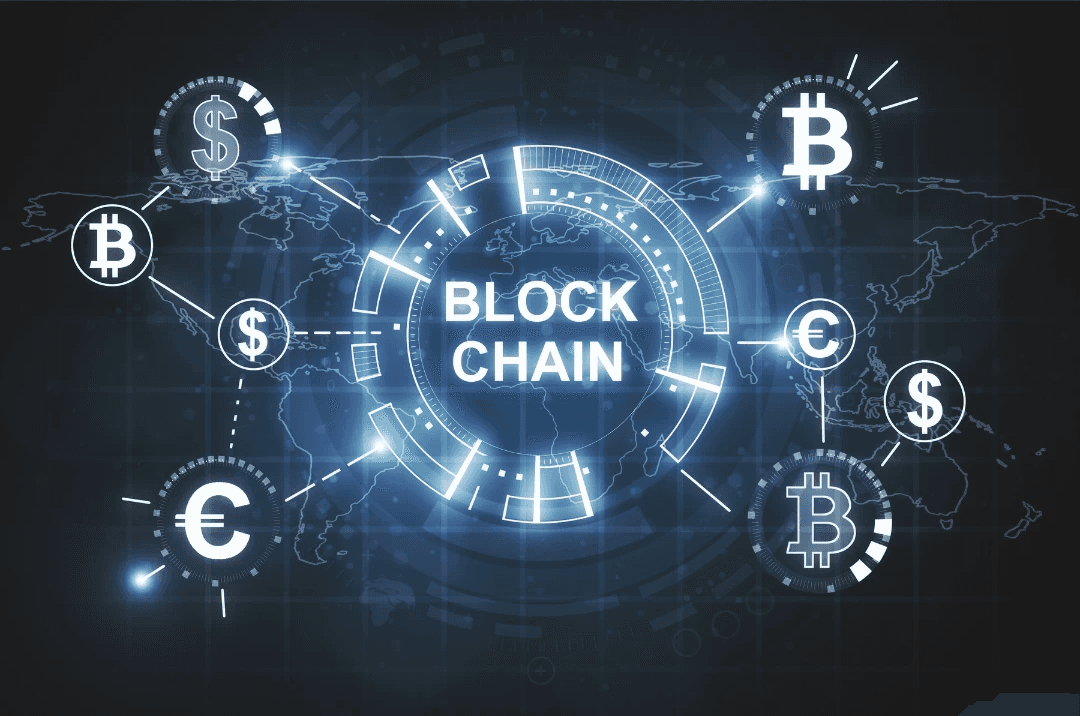
Blockchain is a network of computers, called nodes, that all share the same history of transactions.
Instead of a single company/database storing the information, blockchain distributes it across the entire network.
Every new transaction is validated by everyone.
Once confirmed, it is added to the chain of past transactions.
All transactions are secured using cryptography.
This makes blockchain tamper-proof, transparent, and decentralized.
💰 Blockchain ≠ Bitcoin
One common misconception: Blockchain is not Bitcoin.
Blockchain is the technology.
Bitcoin is just one application built using blockchain.
In fact, many other use cases exist—where any asset (money, real estate, art, even digital identities) can be traded securely via blockchain.
🔮 Why Blockchain Matters
Blockchain is more than just a buzzword. It’s a revolutionary concept that’s likely to reshape industries in the next 5–10 years.
From finance to healthcare, supply chains to digital art (NFTs)—blockchain opens up endless possibilities.
✅ Final Thoughts
To sum it up:
Blockchain = Decentralized record-keeping
Removes intermediaries (like banks, eBay, PayPal)
Ensures trust, transparency, and security
Powers cryptocurrencies, but is much bigger than just Bitcoin
This was just a drop in the ocean of blockchain. But I hope you now have a solid, beginner-friendly understanding of this revolutionising concept. 🚀
✨ If this resonated with you, I’d love to hear from you.
Feel free to write to me raghav@unsaidtalks.com, or connect on LinkedIn or Instagram.
Categories
What is Blockchain?
Confused about blockchain?
Explaining Blockchain as if you are a 5 years old kid
Overview
What is Blockchain? Explained in Simple Words
This new revolutionising wave, famously called Web 3.0, is everywhere on the internet. Everyone is talking about bitcoins, cryptocurrencies, and blockchain.
But you might be wondering: What the heck is blockchain? 🤔
In this blog post, I’ll explain blockchain in the simplest way possible—like you’re five years old—and then gradually increase the complexity so you get a deeper understanding.
🏛 Blockchain at the Simplest Level: A Trade Enabler
At its core, blockchain helps in trade. It allows you to trade with anyone across the globe without:
Knowing the person personally
Relying on an intermediary like banks or platforms
💡 Example:
Imagine you want to sell your smartphone.
Today’s Way: You’d probably use a platform like eBay, which acts as a middleman. Payments are processed through a bank, costing you or the buyer extra money.
With Blockchain: You can sell directly to the buyer without eBay or a bank. Transactions are peer-to-peer, safe, and transparent.
That’s blockchain in the most basic sense.
⚙️ How Blockchain Works (One Level Deeper)
Blockchain is a network of computers, called nodes, that all share the same history of transactions.
Instead of a single company/database storing the information, blockchain distributes it across the entire network.
Every new transaction is validated by everyone.
Once confirmed, it is added to the chain of past transactions.
All transactions are secured using cryptography.
This makes blockchain tamper-proof, transparent, and decentralized.
💰 Blockchain ≠ Bitcoin
One common misconception: Blockchain is not Bitcoin.
Blockchain is the technology.
Bitcoin is just one application built using blockchain.
In fact, many other use cases exist—where any asset (money, real estate, art, even digital identities) can be traded securely via blockchain.
🔮 Why Blockchain Matters
Blockchain is more than just a buzzword. It’s a revolutionary concept that’s likely to reshape industries in the next 5–10 years.
From finance to healthcare, supply chains to digital art (NFTs)—blockchain opens up endless possibilities.
✅ Final Thoughts
To sum it up:
Blockchain = Decentralized record-keeping
Removes intermediaries (like banks, eBay, PayPal)
Ensures trust, transparency, and security
Powers cryptocurrencies, but is much bigger than just Bitcoin
This was just a drop in the ocean of blockchain. But I hope you now have a solid, beginner-friendly understanding of this revolutionising concept. 🚀
✨ If this resonated with you, I’d love to hear from you.
Feel free to write to me raghav@unsaidtalks.com, or connect on LinkedIn or Instagram.
Categories
What is Blockchain?
Confused about blockchain?