What the heck are NFTs about which everyone is talking?
Overview
NFTs are a new concept that have recently started gaining a lot of traction.
You may have heard about Twitter’s founder Jack Dorsey selling his first tweet for $2.9 million. Digital art, memes, and even JPEGs are being sold for millions as NFTs. One famous example is a digital art piece by Beeple that sold for $69 million.
In this blog post, let’s understand what NFTs are, how they work, and what the future looks like for them.
What are NFTs?
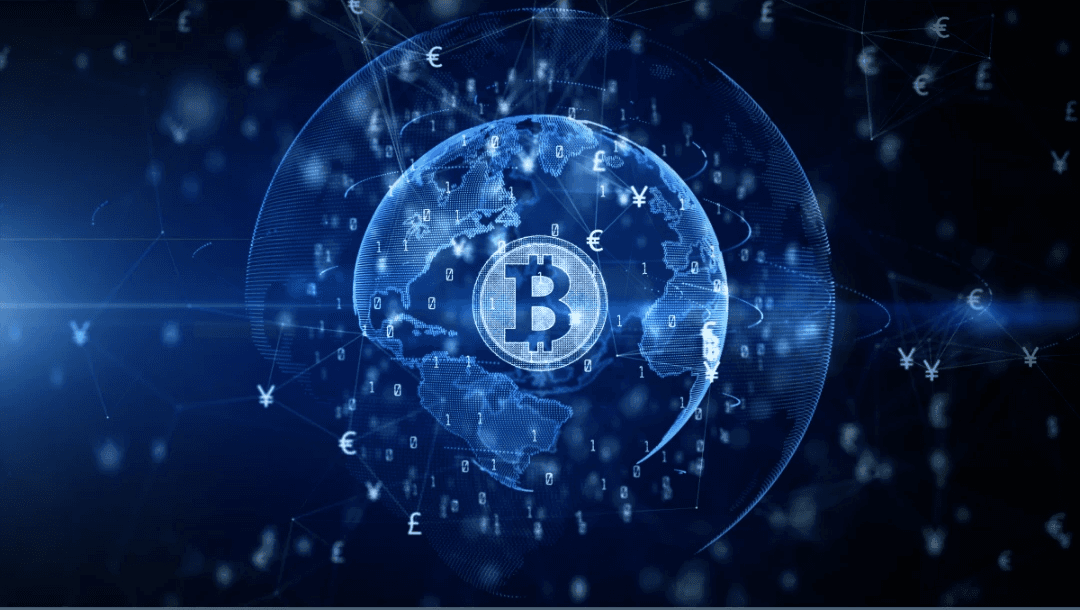
NFT stands for Non-Fungible Token. Just like cryptocurrency is built on blockchain, NFTs are another application of blockchain technology.
If you don’t know what blockchain is, check out my other blog post where I explained it in simple terms.
Why “Non-Fungible”?
Fungible means something that can be replaced by another of the same kind. For example, ₹100 note can be exchanged with another ₹100 note.
Non-Fungible means unique—cannot be replaced. For example, the Mona Lisa painting is one of a kind. Copies exist, but there’s only one original.
NFTs assign a digital ownership certificate to such “one of a kind” items—like a song, a painting, a tweet, or even a meme. This certificate is stored securely in the blockchain ledger.
Real-Life Examples of NFTs
Jack Dorsey’s First Tweet → sold for $2.9M
Beeple’s Digital Artwork → sold for $69M
Cat Meme (Nyan Cat) → sold for $500,000
Clearly, amazing things are happening in the NFT world!
Benefits of NFTs
Peer-to-Peer Transactions – Ownership transfer happens directly between two people without middlemen (no banks, no companies).
Blockchain Security – Ownership is recorded in the ledger permanently.
New Market for Creators – Artists, musicians, and creators can sell directly to buyers worldwide.
Currently, most NFTs exist on the Ethereum blockchain, but developers are working on shifting them to specialized blockchains in the future.
Future of NFTs
NFTs are definitely an interesting use case of blockchain. However, there’s still debate:
Are NFTs just a bubble or fad?
Or will they become a mainstream way of owning digital assets?
Only time will tell—but one thing is certain: NFTs have changed how we think about digital ownership.
Conclusion
NFTs prove that blockchain can be used for much more than cryptocurrency. They enable people to own and trade unique digital assets without middlemen.
✨ If this resonated with you, I’d love to hear from you.
Feel free to write to me raghav@unsaidtalks.com, or connect on LinkedIn or Instagram.
Categories
How NFTs work
NFTs
What the heck are NFTs about which everyone is talking?
Overview
NFTs are a new concept that have recently started gaining a lot of traction.
You may have heard about Twitter’s founder Jack Dorsey selling his first tweet for $2.9 million. Digital art, memes, and even JPEGs are being sold for millions as NFTs. One famous example is a digital art piece by Beeple that sold for $69 million.
In this blog post, let’s understand what NFTs are, how they work, and what the future looks like for them.
What are NFTs?
NFT stands for Non-Fungible Token. Just like cryptocurrency is built on blockchain, NFTs are another application of blockchain technology.
If you don’t know what blockchain is, check out my other blog post where I explained it in simple terms.
Why “Non-Fungible”?
Fungible means something that can be replaced by another of the same kind. For example, ₹100 note can be exchanged with another ₹100 note.
Non-Fungible means unique—cannot be replaced. For example, the Mona Lisa painting is one of a kind. Copies exist, but there’s only one original.
NFTs assign a digital ownership certificate to such “one of a kind” items—like a song, a painting, a tweet, or even a meme. This certificate is stored securely in the blockchain ledger.
Real-Life Examples of NFTs
Jack Dorsey’s First Tweet → sold for $2.9M
Beeple’s Digital Artwork → sold for $69M
Cat Meme (Nyan Cat) → sold for $500,000
Clearly, amazing things are happening in the NFT world!
Benefits of NFTs
Peer-to-Peer Transactions – Ownership transfer happens directly between two people without middlemen (no banks, no companies).
Blockchain Security – Ownership is recorded in the ledger permanently.
New Market for Creators – Artists, musicians, and creators can sell directly to buyers worldwide.
Currently, most NFTs exist on the Ethereum blockchain, but developers are working on shifting them to specialized blockchains in the future.
Future of NFTs
NFTs are definitely an interesting use case of blockchain. However, there’s still debate:
Are NFTs just a bubble or fad?
Or will they become a mainstream way of owning digital assets?
Only time will tell—but one thing is certain: NFTs have changed how we think about digital ownership.
Conclusion
NFTs prove that blockchain can be used for much more than cryptocurrency. They enable people to own and trade unique digital assets without middlemen.
✨ If this resonated with you, I’d love to hear from you.
Feel free to write to me raghav@unsaidtalks.com, or connect on LinkedIn or Instagram.
Categories
How NFTs work
NFTs
What the heck are NFTs about which everyone is talking?
Overview
NFTs are a new concept that have recently started gaining a lot of traction.
You may have heard about Twitter’s founder Jack Dorsey selling his first tweet for $2.9 million. Digital art, memes, and even JPEGs are being sold for millions as NFTs. One famous example is a digital art piece by Beeple that sold for $69 million.
In this blog post, let’s understand what NFTs are, how they work, and what the future looks like for them.
What are NFTs?
NFT stands for Non-Fungible Token. Just like cryptocurrency is built on blockchain, NFTs are another application of blockchain technology.
If you don’t know what blockchain is, check out my other blog post where I explained it in simple terms.
Why “Non-Fungible”?
Fungible means something that can be replaced by another of the same kind. For example, ₹100 note can be exchanged with another ₹100 note.
Non-Fungible means unique—cannot be replaced. For example, the Mona Lisa painting is one of a kind. Copies exist, but there’s only one original.
NFTs assign a digital ownership certificate to such “one of a kind” items—like a song, a painting, a tweet, or even a meme. This certificate is stored securely in the blockchain ledger.
Real-Life Examples of NFTs
Jack Dorsey’s First Tweet → sold for $2.9M
Beeple’s Digital Artwork → sold for $69M
Cat Meme (Nyan Cat) → sold for $500,000
Clearly, amazing things are happening in the NFT world!
Benefits of NFTs
Peer-to-Peer Transactions – Ownership transfer happens directly between two people without middlemen (no banks, no companies).
Blockchain Security – Ownership is recorded in the ledger permanently.
New Market for Creators – Artists, musicians, and creators can sell directly to buyers worldwide.
Currently, most NFTs exist on the Ethereum blockchain, but developers are working on shifting them to specialized blockchains in the future.
Future of NFTs
NFTs are definitely an interesting use case of blockchain. However, there’s still debate:
Are NFTs just a bubble or fad?
Or will they become a mainstream way of owning digital assets?
Only time will tell—but one thing is certain: NFTs have changed how we think about digital ownership.
Conclusion
NFTs prove that blockchain can be used for much more than cryptocurrency. They enable people to own and trade unique digital assets without middlemen.
✨ If this resonated with you, I’d love to hear from you.
Feel free to write to me raghav@unsaidtalks.com, or connect on LinkedIn or Instagram.
Categories
How NFTs work
NFTs